Sculpting Urban Landscapes: The Art and Science of Concrete Techniques Feb 04, 2026
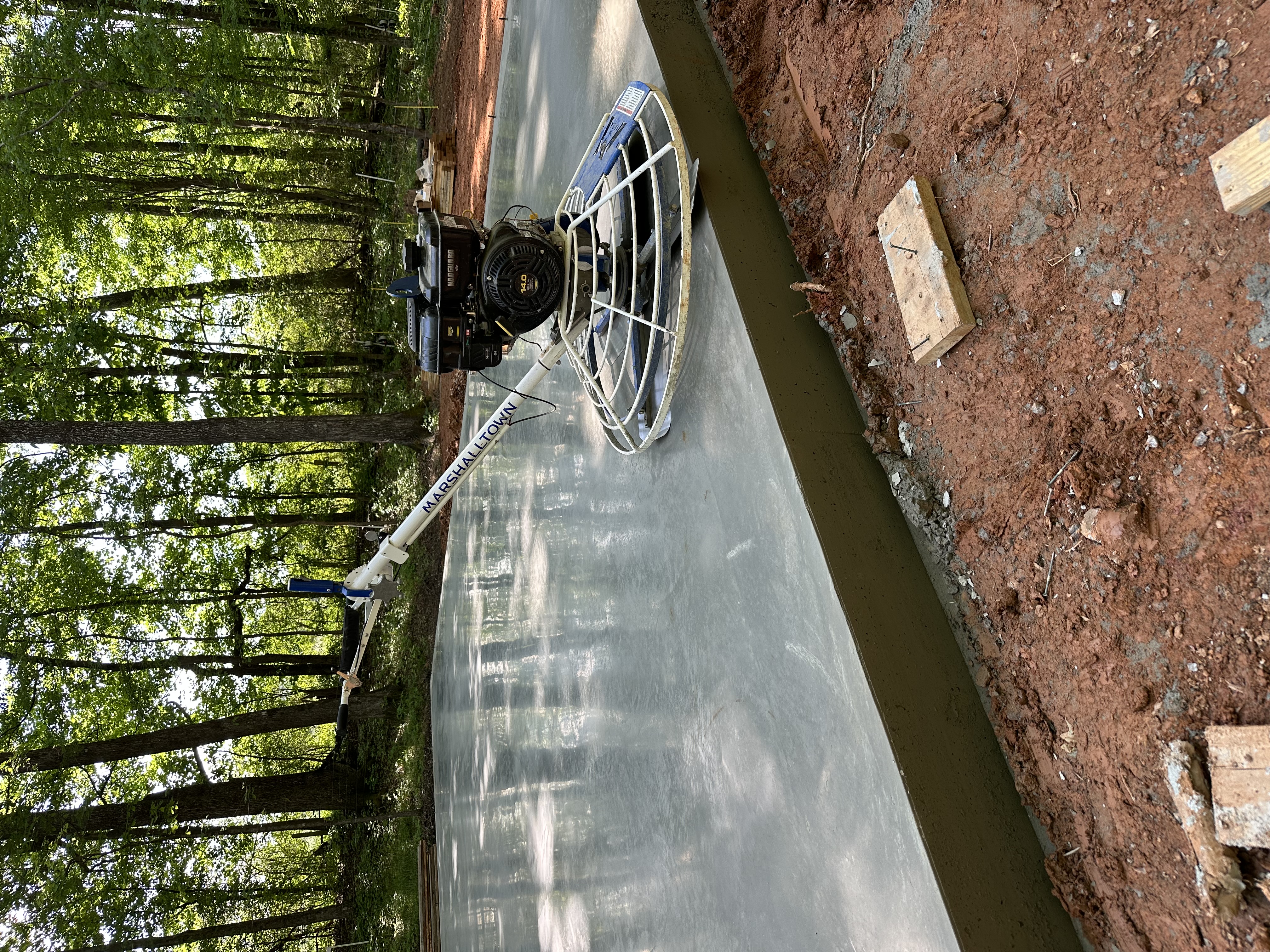
To begin our exploration, we must first appreciate the role of concrete in urban planning. Concrete is the backbone of city infrastructure, a versatile material pivotal in constructing roads, buildings, bridges, and countless other elements that keep a metropolis thriving. However, concrete is not merely a utilitarian material; it is also a medium for creativity and design. With advances in technology and methods, concrete is now employed to create visually stunning surfaces and structures, proving that sustainability and beauty can go hand in hand.
At 360 Grading and Concrete, the adoption of innovative concrete techniques is paramount. One such technique is decorative concrete, which allows architects and builders to play with textures and colors to achieve attractive designs without sacrificing durability. Stamping, staining, and polishing are essential processes within this technique, each adding a unique tint or pattern that transforms simple surfaces into works of art. Not only does this enhance the visual appeal, but it also adds value to residential and commercial properties.
Another significant trend is the use of sustainable concrete materials. By incorporating recycled aggregates and eco-friendly admixtures, 360 Grading and Concrete is committed to reducing environmental impact, aligning with modern demands for green building solutions. These eco-conscious choices do not compromise performance or longevity, proving that concrete can be both robust and kind to the planet.
Further contributing to the art and science of concrete is the method of precast concrete. This technique involves the casting of concrete elements in a controlled environment, ensuring consistency and quality. Once set, these elements are transported to the construction site for assembly. Precast concrete is renowned for its efficiency, speeding up construction times while maintaining high safety standards. Its flexibility in design means it can be customized for various applications, from complex structural components to beautifully crafted facade finishes.
Safety is another crucial component in the application of concrete in urban environments. 360 Grading and Concrete prioritizes the incorporation of advanced safety measures in all projects. The use of non-slip coatings and safe curing practices ensures that concrete surfaces are not only beautiful but secure for public use. This attention to safety underscores an unwavering commitment to protecting both the infrastructure and the people who use it.
As we conclude, it is clear that the art and science of concrete techniques significantly influence our urban landscapes. Through innovative practices, sustainable choices, and a commitment to quality and safety, 360 Grading and Concrete continues to excel in crafting environments that reflect both the progress and potential of our cities. By understanding and implementing these leading techniques, urban developers can create spaces that are not only functional but also resonate with beauty and purpose, sculpting a brighter, sustainable future for all.
If you find yourself in need of top-tier concrete solutions, consider how 360 Grading and Concrete's expertise can elevate your next project. Discover the potential of working with a company that intertwines the art and science of concrete seamlessly in their dedication to excellence.
/filters:no_upscale()/filters:format(webp)/media/da93b9fd-5190-4d5e-b91e-585e4819d9c8.jpeg)
/filters:no_upscale()/filters:format(webp)/media/975dacb3-d104-4651-a02a-c21e1a3d15b6.jpeg)